
How to Repair a Connection – Butt Splices
Posted by Pacer on 17th Mar 2026

When would you need to repair a connection?
A butt splice is used to repair a connection when there has been damage to the wire conductor or insulation. They join two wires end-to-end to restore continuity in a circuit. If a section of wire is cut, frayed, or corroded, you can remove the damaged portion and reconnect the two healthy ends with a butt splice. For example, assume a bilge pump wire gets nicked during maintenance. You would cut out the damaged section and reconnect the remaining wire using a butt splice.
How are butt splices advantageous over other methods of repair?
Butt splices earn their keep because they create a fast, strong, and electrically reliable repair without turning the wiring job into a full workshop project. A butt splice can be installed with just a wire stripper and a crimp tool. No heat, solder, or complex hardware is required. For technicians working on boats, vehicles, or equipment, that saved time matters. Many butt splices include adhesive-lined heat shrink insulation, which is especially valuable in marine or outdoor electrical systems where moisture and salt can quickly damage exposed connections. Butt splices are inexpensive and require minimal installation equipment. For large harness repairs or production work, that can significantly reduce labor and material costs.

Rapid Installation

Saves Time

Minimal Tools

Reduces Costs
What types of butt splices are available?
Pacer carries a wide range of butt splices based around various insulation styles or wire sizes. We offer heat shrink, nylon, vinyl, and non-insulated butt splices. Additionally, we offer step-down butt splices for mating wires of different gauges. Each style specializes in a given application. Heat Shrink: Provides the highest level of protection, creating an environmental seal that blocks out moisture, dust, and contaminants. Nylon: Offers good protection with translucent insulation, allowing for easy crimp inspection. Vinyl: Suitable for environments where moisture and contaminants are not a concern but still offers decent protection. Non-Insulated: The most economical option, often used in sealed enclosures or protected environments. Step-down: When wires of different gauges need to be mated together. For marine applications, only marine-grade heat shrink butt splices should be used.
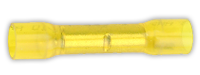
Heat Shrink Insulation
12-10 AWG
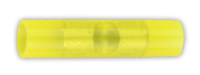
Nylon Insulation
12-10 AWG
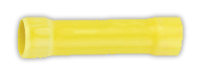
Vinyl Insulation
12-10 AWG
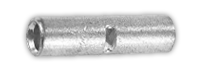
Bare (Non-Insulated)
12-10 AWG
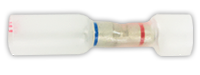
Step-Down Splice
16-14 to 22-18 AWG
How to choose the correct butt splice for the application?
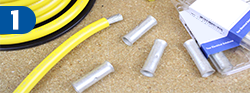
1. Match the Wire Gauge—the connector must match the wire size. Most butt splices are color-coded for quick identification. 22-18 AWG: red insulation. 16-14 AWG: blue insulation.12-10 AWG: yellow insulation. 8 AWG: red (pink) insulation.
2. Consider the Environment—Where the connection lives matters a lot. Dry indoor environment: Vinyl-insulated butt splice usually works fine. High vibration or industrial equipment: Nylon-insulated butt splice provides stronger insulation. Wet or corrosive environments (marine, outdoor, automotive): Adhesive-lined heat shrink butt splice is the best option as it seals out moisture and corrosion.

3. Check the Requirements—Think about how the connection will be protected. Options include: Insulated connectors (vinyl or nylon) for general use. Heat shrink connectors for complete sealing and strain relief. Non-insulated connectors is commonly used when insulation will be added later with heat shrink tubing
The bottom line: choose a butt splice based on three things: Wire gauge, the environment where the connection will live, and what requirements need to be met. Get those three right and the connection will be strong, safe, and long-lasting.
What tools would you need to repair an electrical connection?
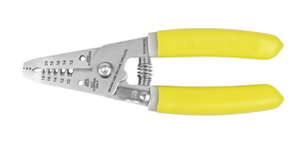
Wire Strippers
Strippers remove insulation from the ends of the wires without cutting the copper strands. They must match the wire gauge you’re working with. Look for a tool that can strip multiple AWG sizes. Tip: Avoid twisting the wire while stripping, as it can damage strands.
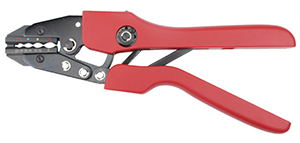
Crimping Tool
A crimper compresses the butt splice onto the wire to form a secure electrical and mechanical connection. Use a ratcheting crimper for consistent crimps. Match the crimper die to the splice type. Heat shrink splices tend to have a special crimp zone to avoid damaging the insulation.
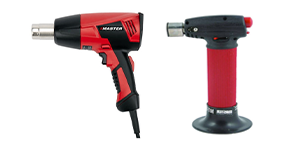
Heat Guns
Heat guns are used to shrink the tubing around the splice and melt the adhesive for waterproof sealing. Heat guns are preferred over torches for their control and safety. Avoid open flames directly on the splice unless absolutely necessary.
What are the proper steps to repair a connection with a butt splice?
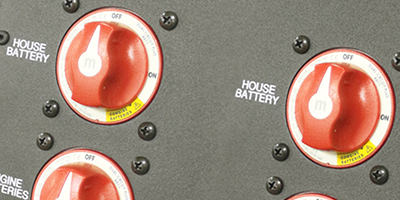
1. Disconnect power to the circuit—always start with safety. Confirm with a multimeter that no voltage is present.
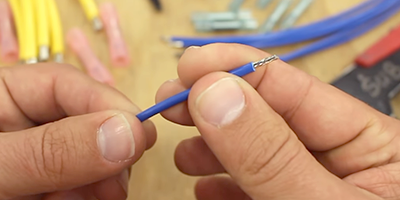
2. Prepare the Wires—Cut out the damaged section of wire if needed using wire cutters. Strip the insulation from each wire end (usually 1/4–3/8 inch) using wire strippers. Make sure the copper strands are clean and not frayed.
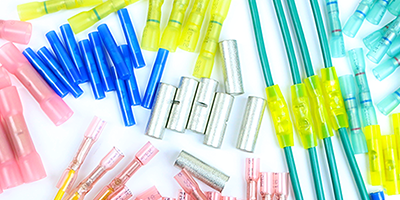
3. Choose the Correct Butt Splice—Match the splice to the wire gauge. Select the right type of insulation: vinyl for dry areas, nylon for vibration, and heat shrink for moisture.
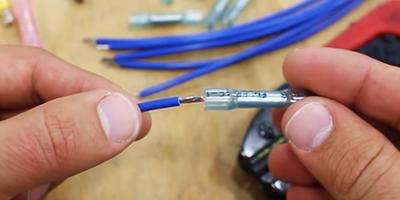
4. Insert the Wires—Slide each stripped wire end into opposite ends of the butt splice. Ensure the wire reaches the metal barrel inside the splice.
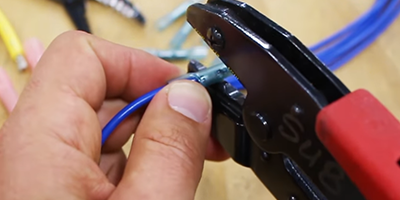
5. Crimp the Splice—Use a crimping tool suitable for the splice color/size. Compress the metal barrel firmly until it grips the wire securely. Tug gently on each wire to ensure it doesn’t pull out.
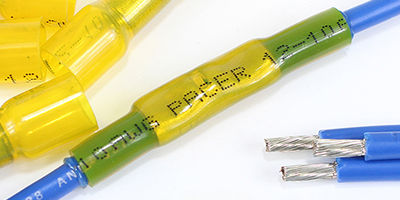
6. Apply Heat (if using heat-shrink terminals or tubing)—Use a heat gun to shrink the tubing and melt the adhesive inside (if present). Ensure the tubing seals around the wire completely, creating a waterproof barrier. Avoid overheating, which can damage the insulation.
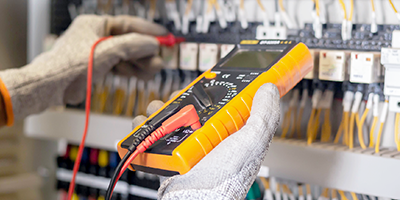
7. Test the Connection—Use a multimeter for continuity to verify a proper electrical connection. Check for any loose strands or exposed copper.
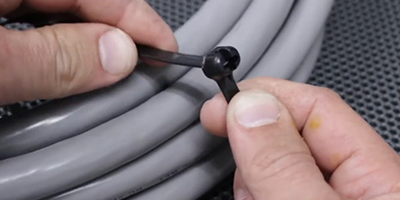
8. Secure and Route—Bundle wires neatly and secure with cable ties if necessary. Avoid sharp bends or tension that could stress the splice.
Pro Tip: For marine or automotive applications, always use tinned copper wires and adhesive-lined heat shrink splices. This gives both corrosion resistance and mechanical strength, making the repair last longer in the harshest conditions.